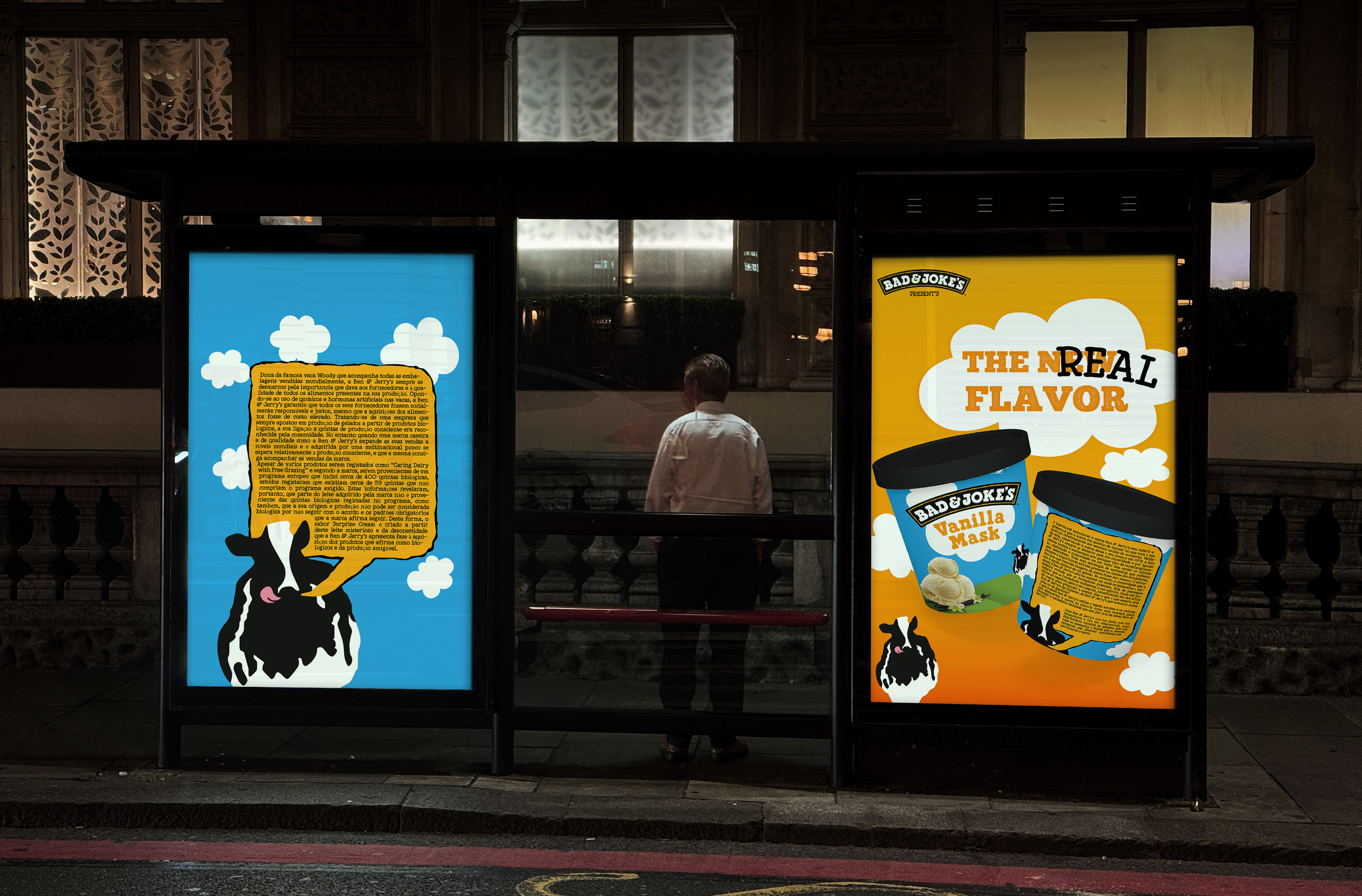
Vanilla Mask
It’s impossible to mention Ben & Jerry’s without referring to the prominent stance the brand insists on maintaining regarding current social issues. Truth be told, looking back at the brand since its beginnings in 1978, Ben & Jerry’s has always stood out for its honesty and for supporting social and environmental causes without hesitation, openly raising awareness in its community without hiding the values it defended. This entire marketing strategy — rooted in the activist mindset of its founders — turned activism itself into one of the brand’s defining images: activism delivered through ice cream.
However, the sincerity that today’s Ben & Jerry’s claims to uphold bears little resemblance to the genuine integrity the founders once possessed. It’s worth noting that the founders used their opinions — whether positive or negative — to fuel the business, even turning the brand’s mistakes into opportunities for promotion. But what separates this Ben & Jerry’s, owned by Unilever, from the Ben & Jerry’s that started out in a converted gas station?
The answer is simple: the current Ben & Jerry’s uses its activist legacy and the values that once set the brand apart as a mask to conceal the reality behind today’s operations.
A Ben & Jerry’s that is not quite as fair, not quite as humanitarian, and not quite as responsible — a global ice-cream distributor that, in truth, bears little resemblance to the persona it presents at the various demonstrations it funds and supports.

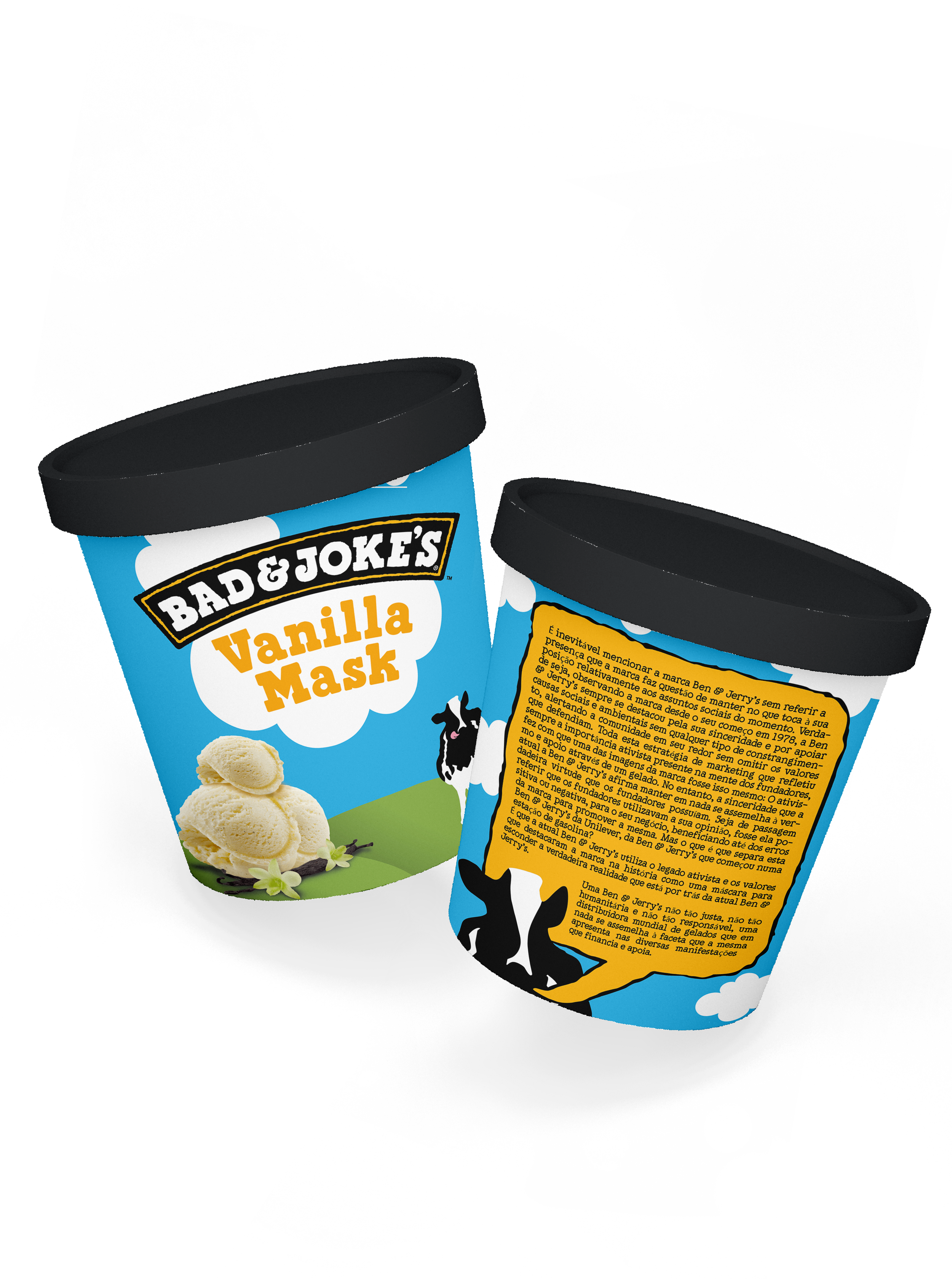
the package
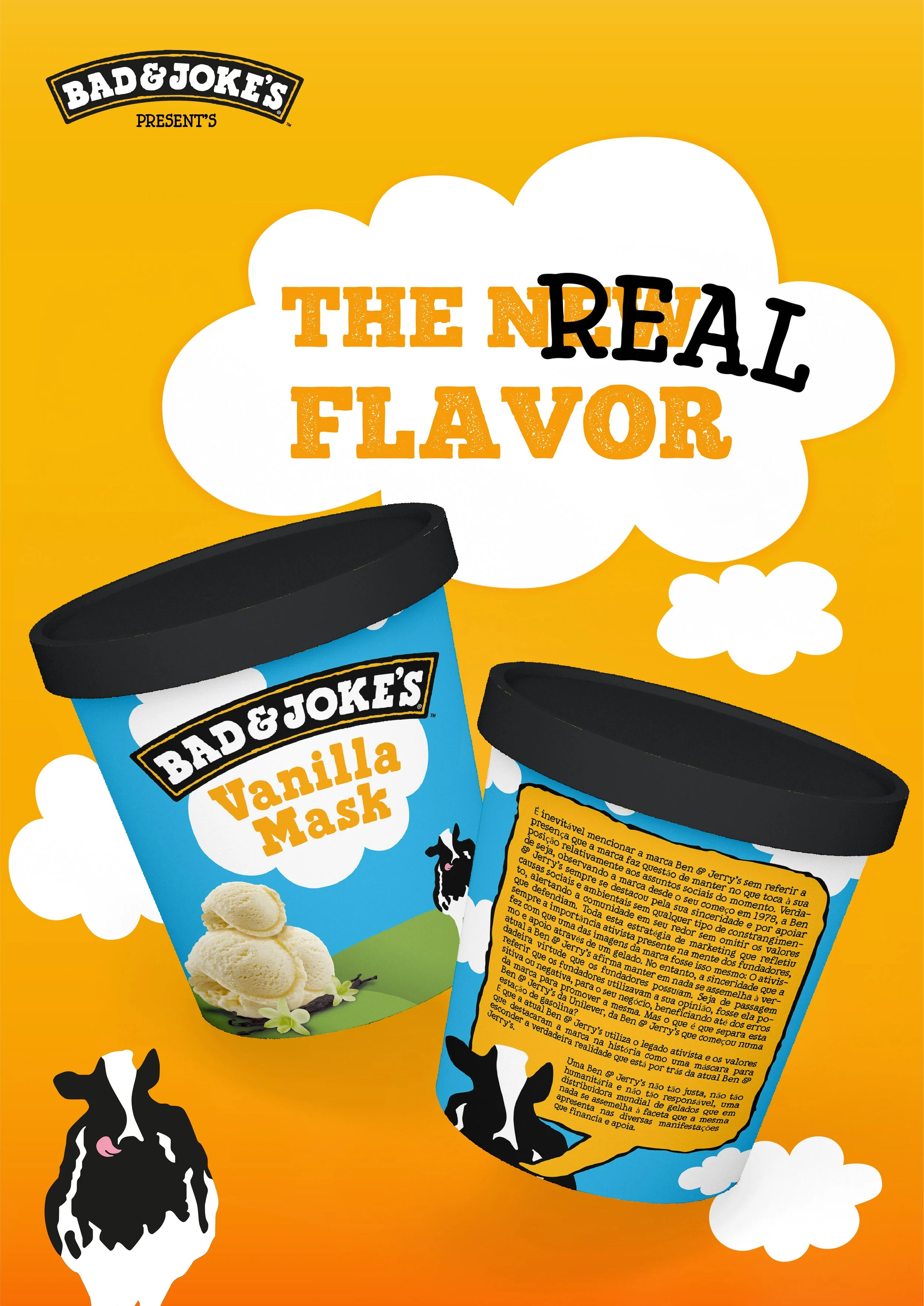
the truth
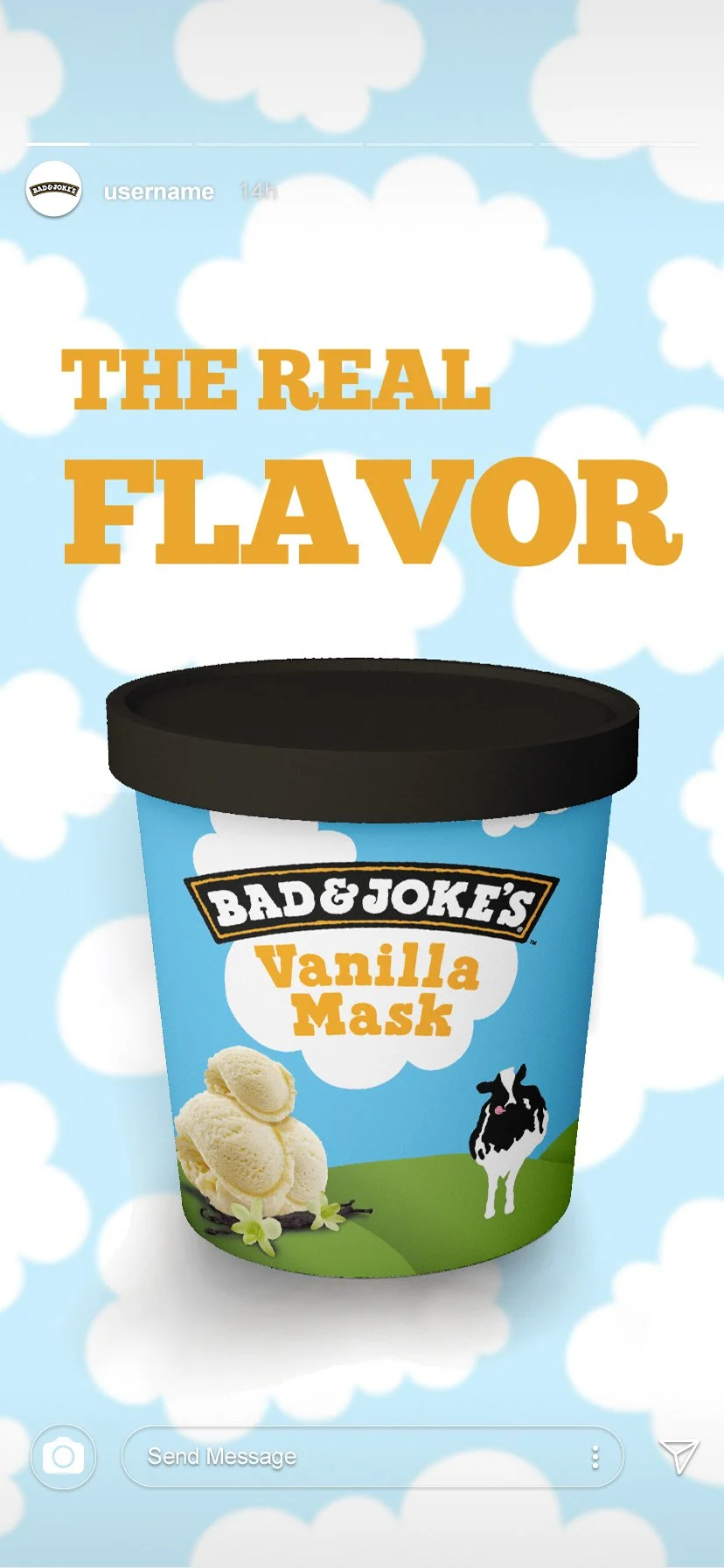
in the world